Saturday, February 10, 2018

My Iceland diet

A new project starts here on Ash Wednesday -
my “Iceland diet”

No, this idea didn't come from my crap, the "Nordic Diet" has actually been around for several years.

The “Nordic Diet” is intended to reduce high blood fat and blood sugar levels and reduce excess weight in the long term in order to prevent cardiovascular diseases and diabetes or to improve existing diseases. The “Nordic Diet” can also be used to treat metabolic syndrome (obesity, high blood pressure, lipid metabolism disorder and impaired insulin metabolism). The focus is on the traditional cuisine of the Scandinavian countries - there is a lot of fruit and vegetables and herbs, a lot of fish and relatively little meat, as well as dairy products and rye. It is of course also important to drink a reasonable amount, usually at least 1.5 liters of water, tea and the like. The “Nordic Diet” is characterized by a relatively high amount of fiber, a relatively low salt content and a high quality of dietary fats.


It is important to eat lots of vegetables and fruit - three to four handfuls of vegetables and two handfuls of fruit every day. When it comes to vegetables, you mainly eat root vegetables, cabbage, rhubarb and mushrooms, but also lots of fresh herbs. Fruit in Scandinavian cuisine primarily includes berries, blueberries, crowberries, but also raspberries, blackberries, currants and gooseberries, which came to Iceland with the Danish Langvögts in the 18th century, as well as strawberries, cherries and plums - and of course apples and pears .

To fill you up, you primarily use rye flour or whole grain rye flour - such as the classic Icelandic Rúgbrauð. But potatoes are also included in this diet - in moderation, as well as oat and barley.


Fish dishes should be served at least 3 times a week, especially salmon and cod, but also herring and mackerel, trout and char. Meat should be consumed two or a maximum of three times a week - especially sheep or game.


Dairy products are also part of the menu, milk, cheese - and of course Skyr.


Fat should be used sparingly, but of course it is also vital - rapeseed oil or butter is usually used.

I once put together a "meal plan" for a week - 7 breakfast dishes, 7 salad dishes and 7 warm dishes. Of course you can also combine it to your taste - salad with bread, grilled fish with salad, ...


For clarification:

It's not a crash diet. It's not about losing maximum weight in the shortest possible time, but rather about eating consciously and as healthily as possible. In this case, with classic Icelandic dishes!

So then: Bon appetit!


[Translated from here.]

Thursday, February 8, 2018

Bolludagsbollur in the year 1858

Carnival donuts from 1858


You wouldn't believe how happy I was when my husband found Þ.AN Jónsdóttir's "ný matreiðslubók" from 1858 online ! I'm on cloud nine and will only be seen shopping or in the kitchen for the next few days.

Of course, I had to try the recipe for the "bolludagsbollur", through which I came across the "ný matreiðslubók", before Shrove Monday! By the way, we're talking about "langaföstu snúðar" here, or "Fastelavnsbollur" in Danish, meaning "Lent dumplings".

The recipe also uses Jólabrauð dough, but you have to make the bollur "miklu minni", i.e. "much smaller". Well then, let’s get going!

Oh yes - traditionally the bollur are baked here on a hotplate smeared with butter. Alternatively, you can also use a cast iron pan - these days it's easier to do that before I butter my ceramic hob!


Ingredients

500 g flour
60 g brown sugar
250 g butter
4 eggs
1 pack of dry yeast
250 ml lukewarm milk
120 g chopped almonds
40 g lemon peel
1 tsp ground cardamom

Butter for baking


Preparation

In a large bowl, knead the flour with the sugar, butter and eggs.


Add the dry yeast and lukewarm milk and mix everything thoroughly.


Then let the dough stand in a warm place for about 1 hour until the dough has risen nicely.


Then add the chopped almonds, lemon peel and ground cardamom...


...and knead well.


Heat some butter in a cast iron pan, use two spoons to add the dough into the pan in small "heaps"...


...and fry on both sides over medium heat.


Bon appetit! And happy Rose Monday everyone - gleðilegan bolludag!


[Translated from here.]

Sunday, February 4, 2018

Bolludagur

Rose Monday in Iceland


In Iceland, Rose Monday is now called “bolludagur”, or “ball day”. The custom of traditionally baking such "balls" on Shrove Monday and eating large quantities of them (before the start of Lent) was probably introduced to Iceland by Danish bakers at the end of the 19th century. Since 1910, references to the "bolludagur" have been regularly found in Iceland.

However, there were probably predecessors to this tradition before - you can find a recipe for "bolludagsbollur" in an Icelandic cookbook from 1858. The cookbook is by Þóra Andrea Nikólína Jónsdóttir (1813 – 1861). She was the daughter of an Icelandic father and a Danish mother and came to Iceland with her parents as a child when she was around 10 years old. She later married here and lived as a housewife in Akureyri with her husband, an Icelandic goldsmith. In 1858 she published her home economics and cookbook, the "ný matreiðslubók", i.e. the "new cookbook". By the way, the cookbook also mentions "langaföstu snúðar", in Danish "Fastelavnsbollur", or "Lenten dumplings". The dough is based on classic Jólabrauð, with spices and raisins or lemon peel/orange peel, which was then baked in small portions on the stove top rubbed with butter.


Classic "bolludagsbollur"

The classic "bolludagsbollur" were initially prepared, as at Þ.AN Jónsdóttir, from Jólakaka dough, although later they usually left out raisins or something similar and baked "rolls" from this dough, which were then often added with butter and spread jam.


Later there were more and more recipes with yeast dough...


...and nowadays there are often cream puffs made from choux pastry, usually covered in chocolate.


However, attempts by a fish company in the 1930s to participate in the "bolludagur" with their "fish balls" were not successful - the classic "bolludagsbollur" are and remain sweet, usually filled with cream, jam and chocolate.


Homemade or bought?

It is estimated that Icelandic bakers now sell around 1 million bales for the "bolludagur". It is also very common to bake your own “balls”. I've read estimates that on average every Icelander eats at least 5 to 6 of these "bales" on Shrove Monday. The proportion of purchased and homemade "bolludagsbollur" should therefore be roughly balanced.

If you also want to bake "bolludagsbollur", you will of course also find corresponding recipes here in the blog - both the classic ones made from Jólakaka dough and (a little more modern) from a modified yeast dough and (even more modern) from choux pastry .


[Translated from here.]

Bolludagsbollur (II)

Rose Monday bale


The custom of eating large quantities of bales on Shrove Monday - before the start of Lent - was probably introduced to Iceland by Danish or Norwegian bakers. Nowadays these balls are usually made from yeast dough or choux pastry.

At the beginning of the 20th century, the bales were still made from cake dough, usually based on a Jólakaka recipe, which was then slightly modified.

So here's a classic old Bolludagsbollur recipe:


Ingredients

100 g soft margarine
125 g brown sugar
4 eggs
200 g flour
2 tsp baking soda
1 pinch of cardamom
100 ml sour milk


Preparation

Preheat the oven to 350 °F (180 °C) upper/lower heat.

In a large bowl, mix the margarine with the sugar until fluffy...


...then stir in the eggs.


Add the flour, baking powder and cardamom.


Finally pour in the sour milk...


...and work everything into a smooth dough.


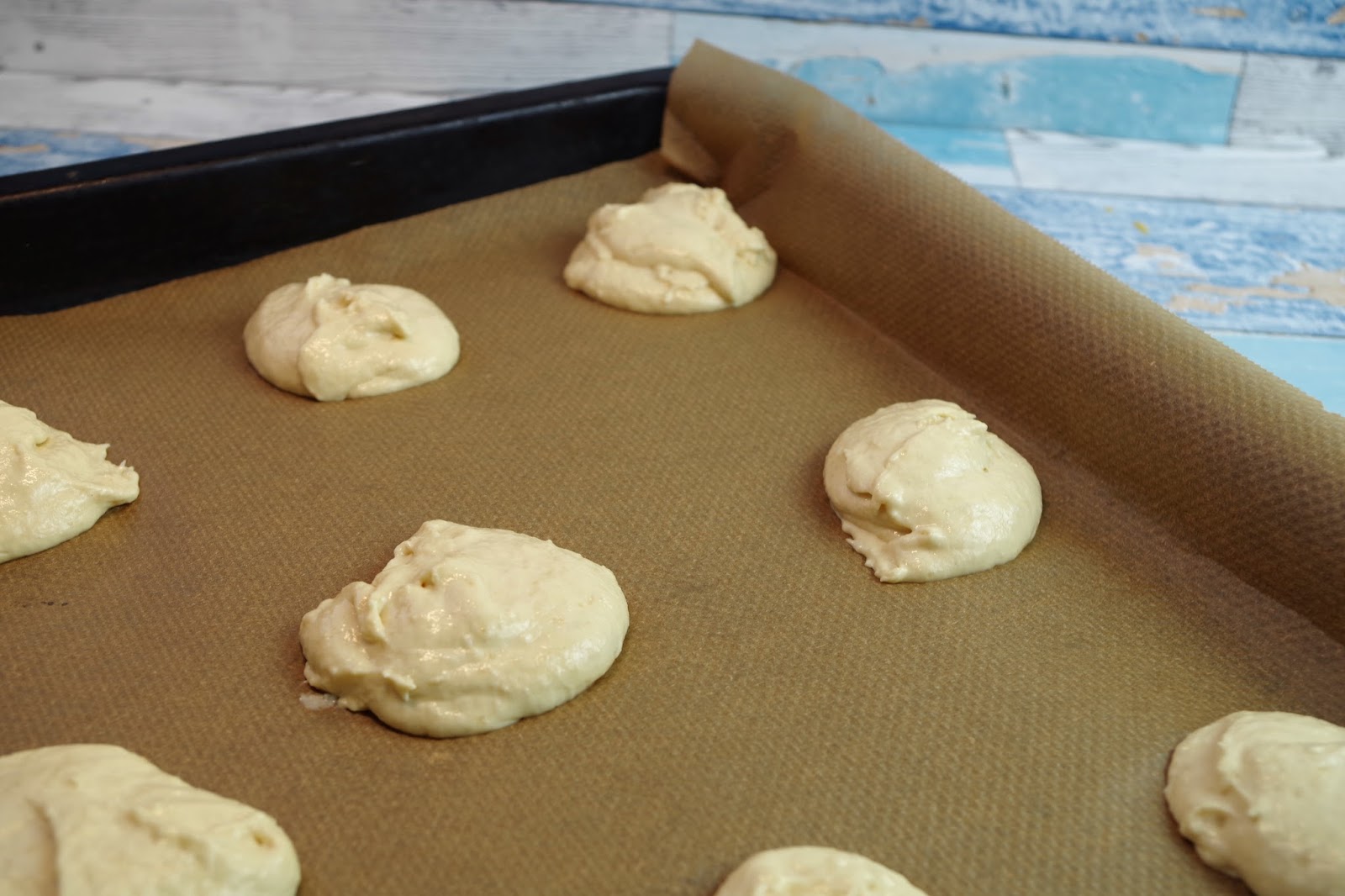
Traditionally, you bake the dough in small "blobs" on a baking tray - but I put the dough in muffin tins because it spread a lot on the tray and baked it in a preheated oven at 350 °F (180 °C) upper and lower heat for approx. Let bake for 20 minutes.


Then remove from the oven and, if possible, serve warm and spread with butter and jam.


Bon appetit!


[Translated from here.]

Sígildar bolludagsbollur

Classic Rose Monday balls


In Iceland, Rose Monday is called “bolludagur”, or “ball day”. The custom of traditionally baking such "balls" on Shrove Monday and eating large quantities of them (before the start of Lent) was probably introduced to Iceland by Danish bakers at the end of the 19th century.

The classic Bollen was initially made from Jólakaka dough, later there were yeast dough recipes like this one and today there are often cream puffs made from choux pastry .


Ingredients for approx. 12 balls

125 g margarine
200 g flour
1 Tbsp sugar
1 packet of dry yeast
1 egg
100 ml lukewarm water

100 ml whipping cream
1 tsp sugar
5 Tbsp jam


Preparation

Mix the margarine with the sugar until foamy.


Then mix the mixture with the flour and dry yeast.


Then add the egg and lukewarm water and mix until the dough is as smooth as possible.


Preheat the oven to 350 °F (180 °C) upper/lower heat.

Line a baking tray with baking paper, use a spoon to place the dough onto the tray in blobs, leaving plenty of space between them and let it stand at room temperature for half an hour so that the yeast dough can rise.


Something wasn't working properly for me - crap! The dough only rose in width, not in height - so after the rising time I scraped the dough off the baking paper with a spoon, formed it into "balls" and then...


...baked in the preheated oven for about 15-20 minutes until the outside of the bales has turned nice and golden brown. Allow the balls to cool thoroughly.

Beat the cream with a spoonful of sugar until stiff.


Cut the balls in half...


... the undersides with jam...


...and spread the cream on top and then carefully put the tops back on.


Bon appetit!


[Translated from here.]

Saturday, January 20, 2018

Einfalda Skyrkaka

Simple skyr cake


Here's another recipe for a dry skyr cake - quick and easy to mix together and extremely tasty. My children also like it very much!


Ingredients

100 g margarine
150 g brown sugar
2 eggs
2 tsp grated lemon peel
350 ml vanilla skyr
400 g flour
1 tsp baking powder


Preparation

In a large bowl, beat the butter and sugar until fluffy.


Add the eggs, grated lemon peel and vanilla skyr and stir in.


Then add the flour and baking powder...


...and work everything into a smooth dough.


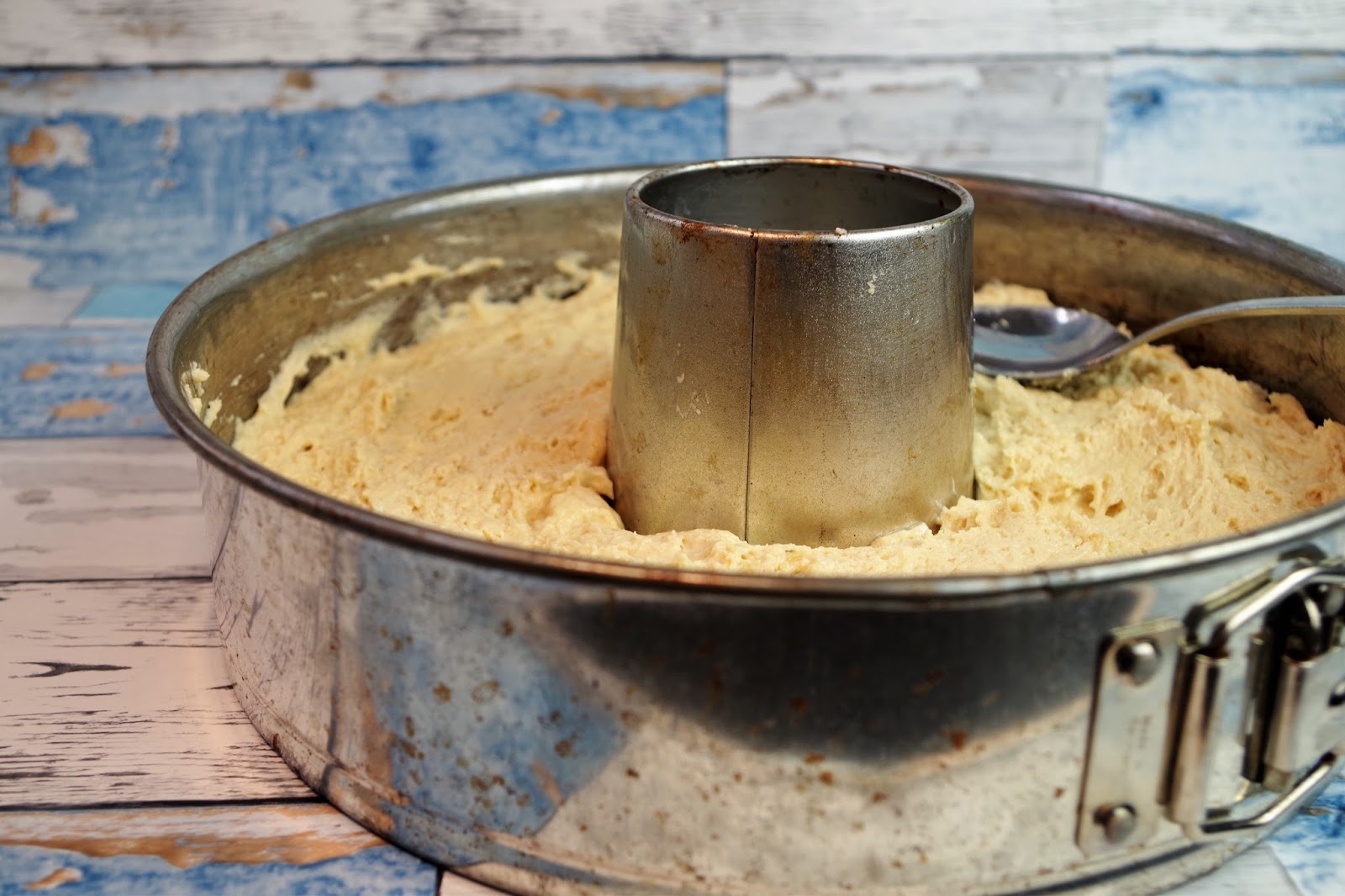
Pour the dough into a greased Bundt cake tin. give it, smooth it out fairly...


...and bake in a preheated oven at 350 °F (180 °C) for about 40 minutes (test with a toothpick!).


Then take the cake out of the oven, let it cool in the tin for about 10 minutes and then carefully remove it from the tin.


It is best to serve the cake lukewarm.


[Translated from here.]